

Elevating breakthrough scientific research through high-fidelity clinical narratives.
the story
Spanning a decade of collaboration, this partnership has supported dozens of Johns Hopkins Medicine researchers through the creation of over a hundred distinct scientific visuals. From conceptualizing unbuilt medical devices to animating novel surgical procedures, this work has directly supported major NIH grant submissions—ranging up to eight-figure awards—and includes foundational research in 3D-printed neonatal heart models.
timeframe
2016 – present
tools
Cinema 4D • ZBrush • 3D Slicer • OsiriX / Horos • After Effects • Illustrator • Photoshop
services
Medical Illustration • 3D & 2D Animation • Graphic Design • Grant Strategy • 3D Printing
problem
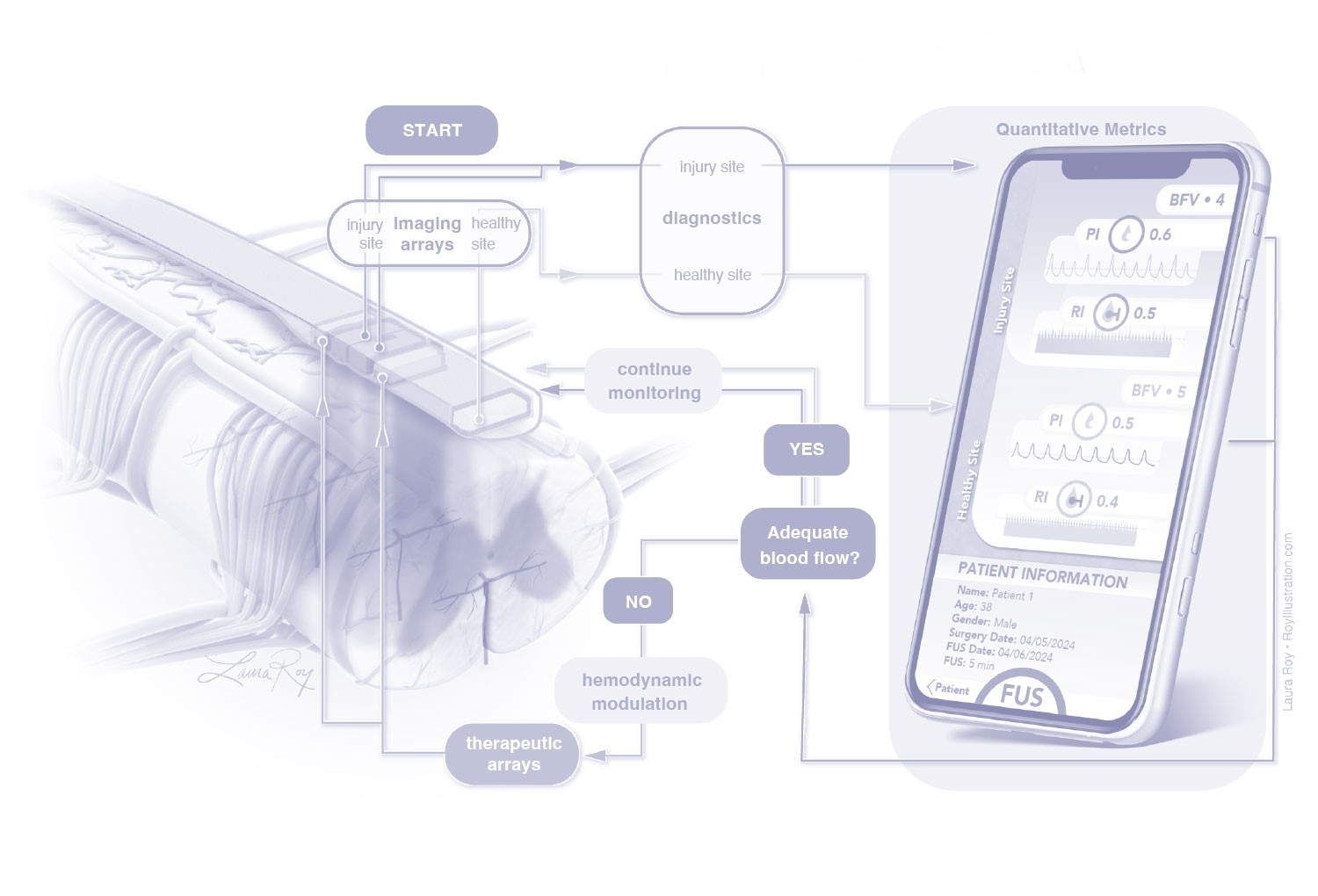
Cutting-edge research at Johns Hopkins, spanning neural engineering to advanced cardiology, often involves highly abstract concepts and novel, unbuilt devices. This complexity creates a critical communication barrier when attempting to secure NIH funding, publish in high-impact journals, or explain theoretical therapies to clinical peers and patients.
solution
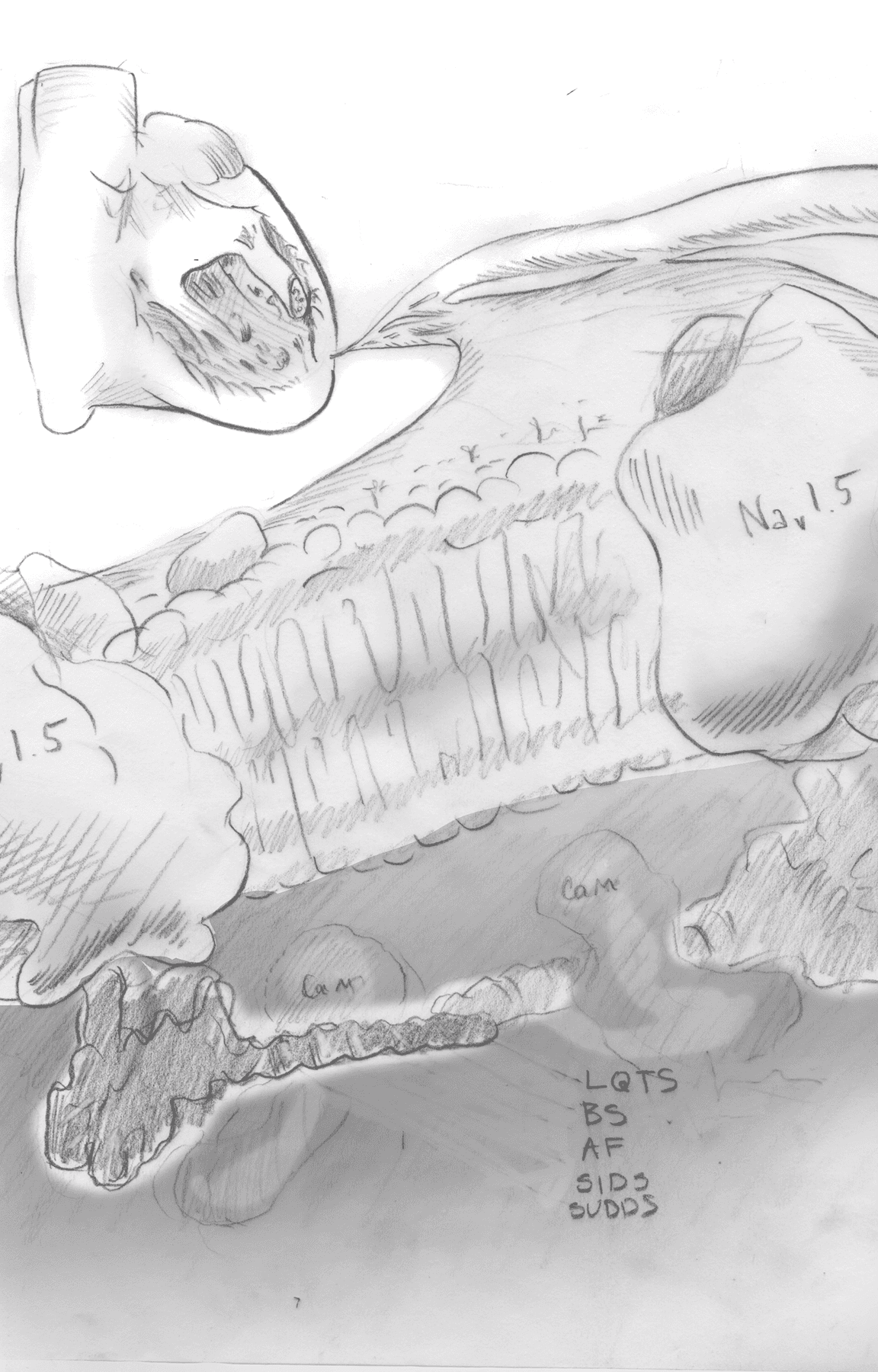
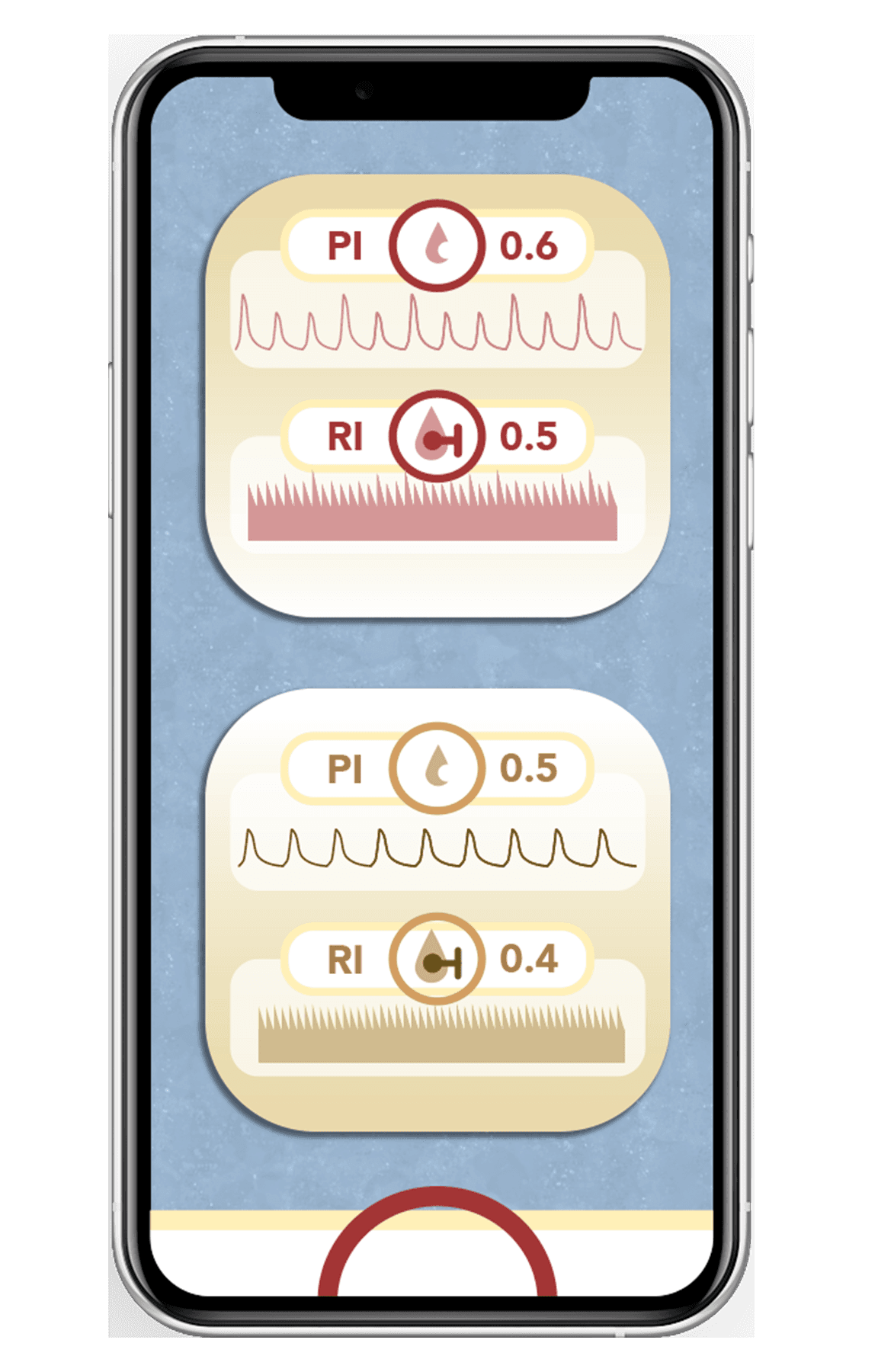
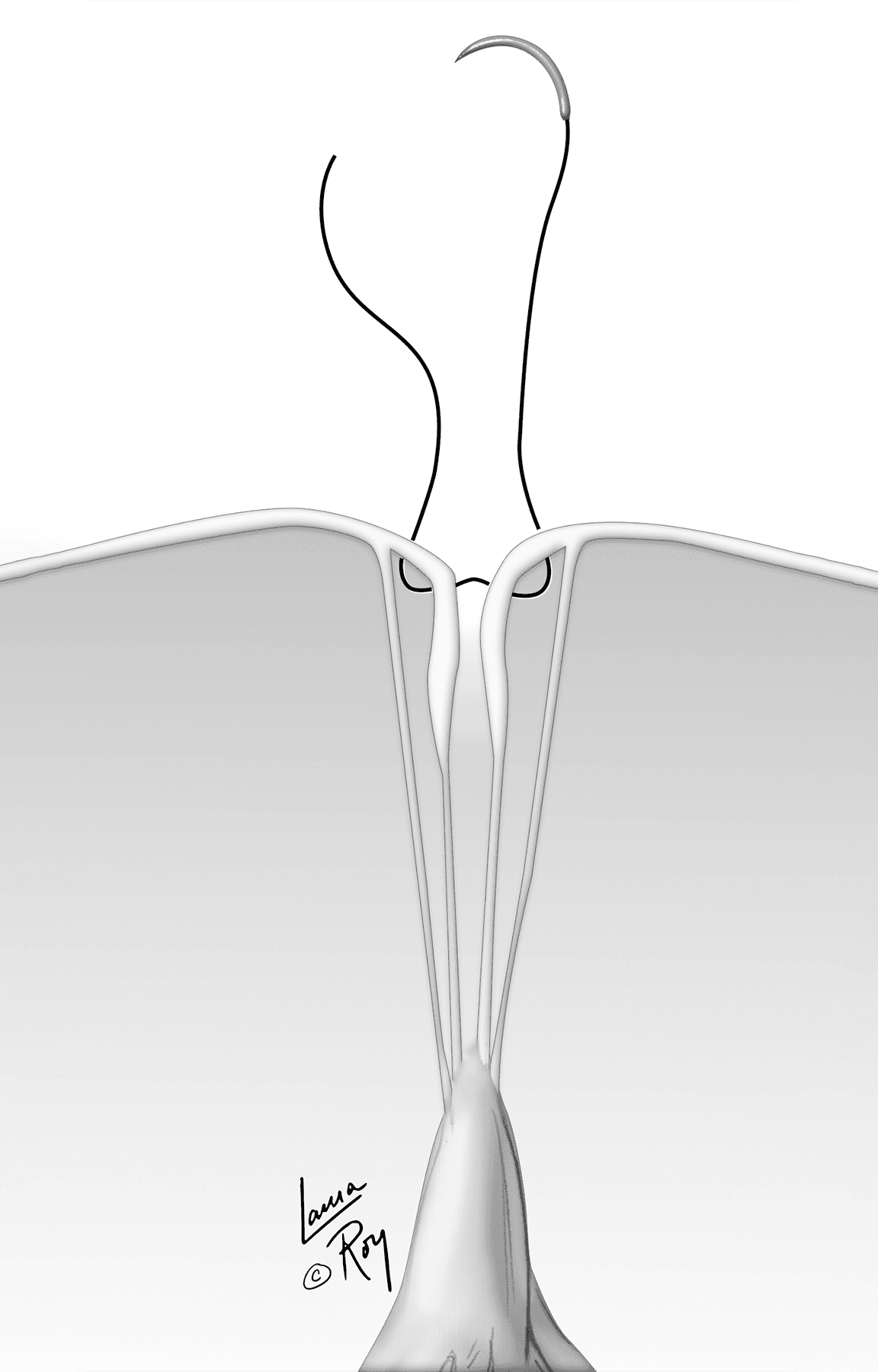
By establishing a unified visual language across multiple labs, complex data is translated into clear, rigorous, and engaging assets. Deliverables range from 3D "digital twins" of cardiac anatomy to macro-to-micro journal illustrations, bridging the gap between theoretical research and tangible clinical communication.
3D Explorer: Tetralogy of Fallot
An interactive 3D model designed to help parents, students, and medical trainees easily visualize the structural anomalies of Tetralogy of Fallot.
Displaying a cross-section of the superior (upper) half of a pediatric heart, this view allows users to look directly into the ventricles and outflow tracts.
Select the conditions below to isolate and review the four classic hallmarks of this congenital heart defect, along with associated vascular variations.
Right ventricular hypertrophy
Thickening of the muscular wall of the right ventricle. In Tetralogy of Fallot, this occurs secondarily as the heart must pump harder against increased resistance from the narrowed pulmonary valve.






— Amir Manbachi, Ph.D., Johns Hopkins University